
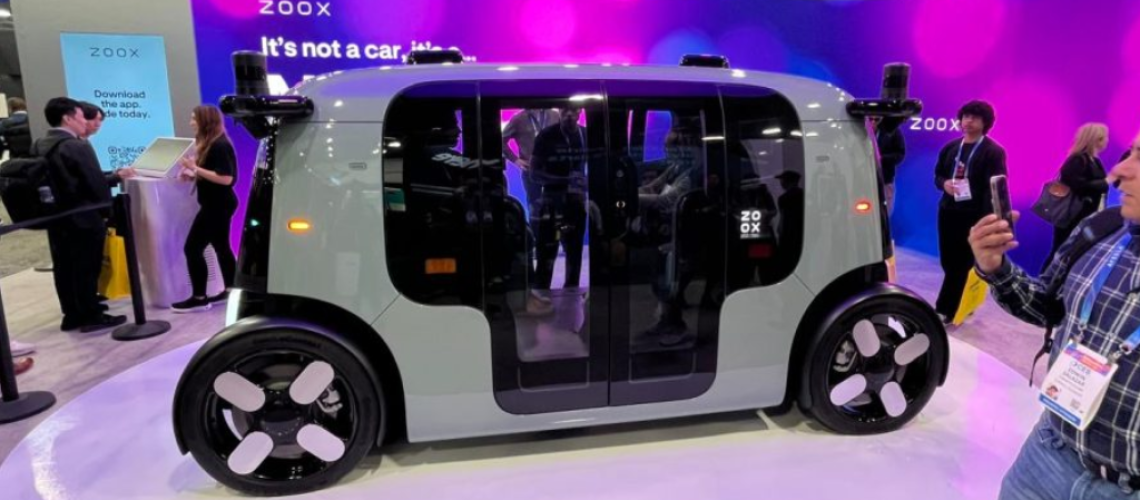
Progress, deployments and the direction of autonomous mobility

Although autonomous-vehicle concepts emerged in the late 1980s, practical testing began with the 2004 U.S. Defense Advanced Research Projects Agency (DARPA) Challenge. As the technology matured, vehicle pilots followed in 2016–17. The resulting operational and design data has since advanced autonomous vehicles to the point where some can now drive themselves within a defined Operational Design Domain (ODD), known as Level 4 autonomy. I have been fortunate to contribute to this progress.
Since 2018, I have worked on fixed-route autonomous vehicle projects across California, Florida, Colorado, Minnesota and Texas. These programs have included shuttle pilots on campuses, military bases, business parks, test facilities and in downtown environments.
That experience has covered several generations and types of vehicles, including EasyMile Gen 1–3, NAVYA, Perrone Robotics platforms based on Sunset Vans and Polaris GEM vehicles, and the Shanghai Automotive Industry Corporation (SAIC) vehicles. Each platform has been designed for a particular operating environment and use case.
The progress since those early deployments has been striking. Autonomous vehicles are now operating in both robotaxi and fixed-route services; vehicle sizes and passenger capacities are increasing; deployments are moving from segregated sites into complex downtown environments; and manufacturers are producing US purpose-built vehicles as well as integrating autonomous technology into established vehicle platforms.
These developments show that autonomous mobility is no longer defined by a single vehicle or operating model. The market now includes low-speed circulators, on-demand neighbourhood transport, airport and entertainment-district services, larger transit vehicles and high-capacity systems operating on dedicated guideways.
Current State of Autonomous Mobility
A recent Autonomous Vehicle Committee meeting at the American Public Transportation’s Association (APTA) annual TRANSform conference provided a useful snapshot of how quickly the sector is developing. The projects below illustrate the range of operating models now emerging—from public fixed-route transit to robotaxis, neighbourhood microtransit and dedicated-guideway systems.
Fixed-route and public transport deployments
Jacksonville Transportation Authority: NAVI
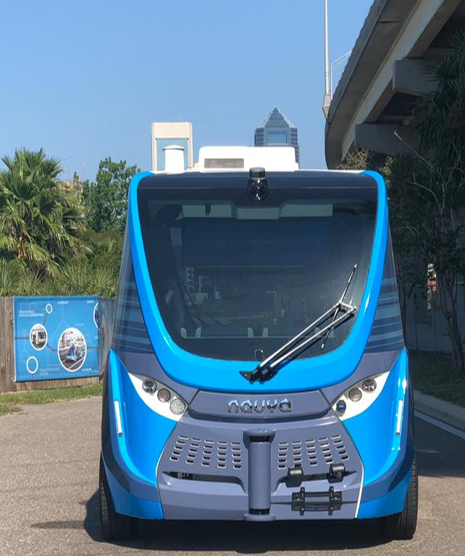
Jacksonville Transportation Authority (JTA) has been at the forefront of autonomous vehicle development. In 2019, I participated in a JTA pilot using the NAVYA Autonom Shuttle on its test track. JTA has since launched the Neighbourhood Autonomous Vehicle Innovation (NAVI) service on the Bay Street Innovation Corridor. The 3.5-mile route serves 12 stations, linking the central business core and Pearl Street area with the Sports and Entertainment District.
The service uses 14 electric Ford E-Transit vehicles equipped with Oxa’s autonomous driving system. Each vehicle carries nine passengers and provides accessible transport. Public revenue service began in June 2025, marking an important step in the deployment of Level 4 autonomous public transport in the United States. Future phases are expected to introduce HOLON vehicles, while Beep provides operations and maintenance support.
Lunar Bus
Lunar Bus is developing the Lunar Rise, a 28-foot battery-electric transit bus designed for the Society of Automotive Engineers (SAE) Level 4 operation. The vehicle is intended to carry up to 43 passengers, with a 252 kWh battery and an advertised range of about 200 miles.
The vehicle has not yet entered service, but a planned national parks deployment demonstrates the industry’s movement towards larger-capacity autonomous transit vehicles and the use of advanced driver-assistance technology in demanding visitor-transport settings.
Beep
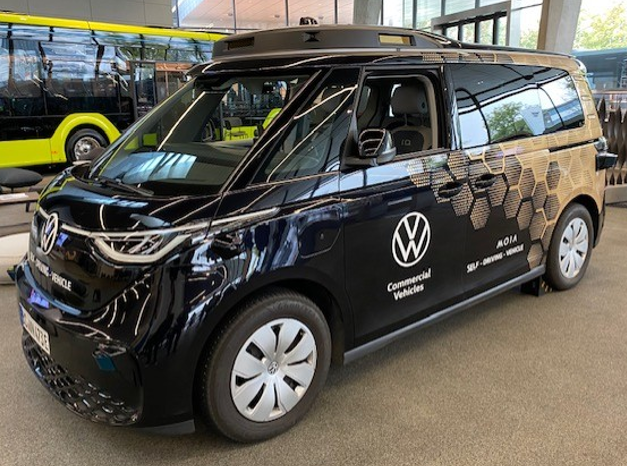 Beep has operated autonomous shuttle services in Lake Nona since 2019. The program has used a fleet of eight low-speed NAVYA and Local Motors Olli shuttles across five fixed routes, connecting ten destinations within the 17-square-mile community.
The services operate from fixed stops and are supported by an operations centre and mobility platform. Beep and MOIA are also preparing passenger operations using the Volkswagen ID. Buzz with Mobileye self-driving technology, with plans for three routes in Lake Nona.
Freebee and Beep
Freebee was founded in Miami in 2012 and provides free or publicly funded, on-demand microtransit, primarily using electric vehicles. It operates across more than 50 communities, with a strong presence in Florida and selected services in North Carolina.
Although its present services are not autonomous, its 2026 merger with Beep creates a potential pathway to combine an established electric microtransit network with autonomous vehicle technology. In the near term, existing services can continue while the combined organisation evaluates autonomous and mixed-fleet deployments.
BENTELER Mobility and HOLON
BENTELER Mobility is a full-service autonomous mobility provider, combining vehicle supply, financing, route planning, fleet operations, maintenance, remote supervision, passenger applications and infrastructure development. Its vehicle-agnostic model prominently features the HOLON urban shuttle.
HOLON is a purpose-built, fully electric and accessible autonomous transit vehicle with capacity for 15 passengers and a maximum operating speed of approximately 60 km/h (37 mph). Features include barrier-free boarding and automated wheelchair securement.
Public-road testing is under way in Hamburg, Germany, through the ALIKE project, with a safety operator on board and passenger operations planned for 2027. Their commercial offer targets first- and last-mile services, circulators and flexible transit, including potential expansion into the US market.
Robotaxis and emerging mobility systems
While this was not discussed within the APTA TRANSform event, it is important to also call out key developments in the robotaxi market as visible in key cities within the US.
Zoox
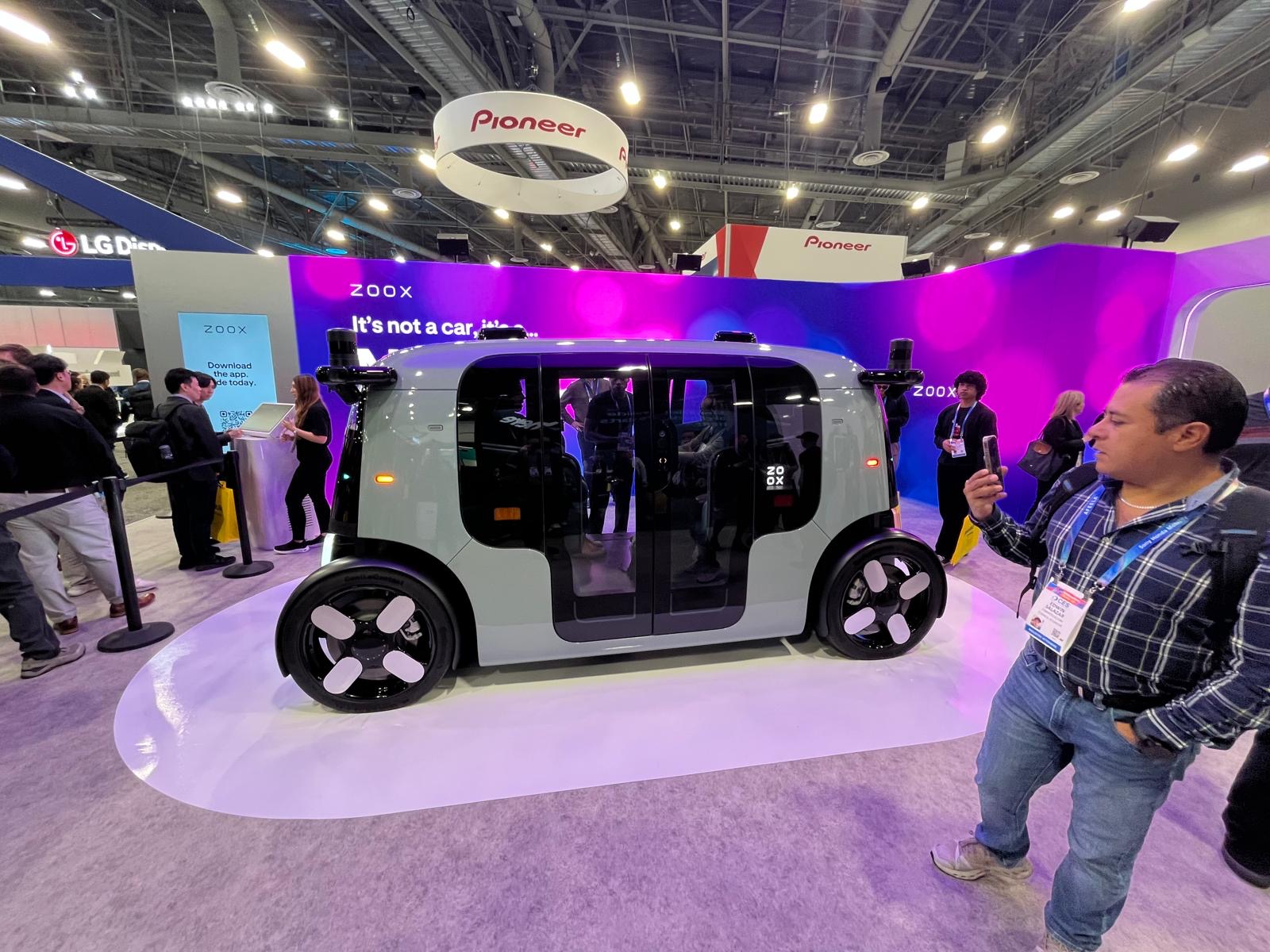
Zoox has introduced a purpose-built electric robotaxi with a four-passenger, face-to-face cabin. Its Las Vegas service connects major entertainment destinations, including Resorts World, AREA15 and Topgolf, and has expanded to Harry Reid International Airport.
The app-based, Level 4 ride-hailing service launched publicly on 10 September 2025. Further expansion is planned in Las Vegas, alongside prospective activity in San Francisco, Austin and Miami.
Waymo

Waymo has progressed from early pilots in 2017 to large-scale public robotaxi operations. Its operating footprint includes Phoenix, San Francisco and Los Angeles, with services in Austin and Atlanta delivered in partnership with Uber. Additional US markets under consideration include Dallas, San Antonio, Miami, Houston, Orlando and Nashville, while international preparations include London and Tokyo.
The fleet has centred on the electric Jaguar I-PACE equipped with the Waymo Driver, with a transition towards the purpose-built Zeekr RT autonomous minivan.
Glydways
Glydways is developing autonomous, on-demand transit networks using small electric vehicles on dedicated guideways. The model aims to offer rail-like capacity with lower infrastructure and operating costs.
Near-term opportunities include airport and corridor projects in Atlanta, San Jose and East Contra Costa County. The company is also pursuing deployments in Dubai, Singapore and Brisbane, advancing next-generation vehicles and a San Francisco development facility, and exploring opportunities in the Middle East.
May Mobility
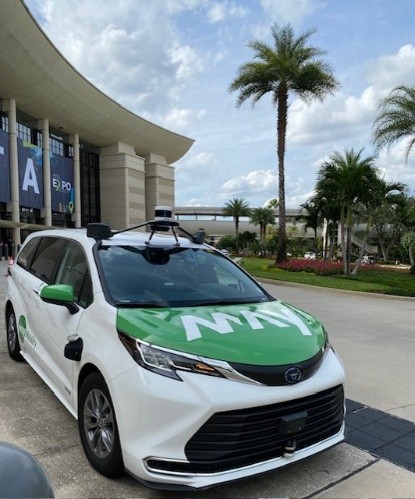
May Mobility is focused on scaling autonomous ride-hailing and driverless transport through partnerships. Its model supplies autonomous vehicles and software to fleet partners while retaining remote-supervision and software-management capabilities.
Its priorities include expanding commercial robotaxi deployments in the United States and internationally, progressing towards fully driverless operations and using autonomous mobility to improve first- and last-mile connections with public transport.
Summary
The US was one of the first countries to enable autonomous vehicle pilots under strict guidelines of local states and National Highway Traffic Safety Administration (NHTSA). As visible by the projects highlighted within this report, things have clearly progressed with actual public uses in play. Other countries have moved from regulatory reviews and pilot programs towards recognising autonomous vehicles as a viable option for specific transport needs.
Lessons from major deployments continue to inform improvements in autonomous vehicle software, vehicle design and the customer experience.
If you are considering a deployment and are seeking advice on how to move forward, our team at Direx Solutions would love to speak with you.
About the Author

Gordon Glass has led 9 autonomous vehicle projects across North America in a range of operating environments, overseeing both fixed-route and on-demand technologies. He played a key role in defining project scope and assessing technology requirements to meet client, route, connectivity, safety, and regulatory needs. Once the route and operating model were selected, he led teams through testing, validation, and deployment while ensuring regulatory compliance. During validation and passenger service, he managed operations and worked closely with senior technology providers to share lessons learned and drive continuous improvement. He remains actively involved with industry bodies to support the advancement of the autonomous vehicle sector. Internationally, he developed Direx Solutions’ Autonomous Vehicle Strategy and advised clients on AV implementation in Saudi Arabia and elsewhere in the Middle East.